BJ SIGNWORLD INC LOGO

BJ SIGNWORLD INC

Shipping Product 6
Shipping Product 6
Shipping Box 2 600 X 600
Shipping Box 3
shipping box 4
Shipping box 5

No selected calculator

Shipping Box

Shipping boxes play a crucial role in the safe and efficient transportation of goods, whether for personal use, e-commerce, or large-scale business operations. Choosing the right shipping box involves understanding various factors such as size, material, cost, and packing techniques. Proper selection and usage of shipping boxes can help reduce damage risks, save costs, and ensure customer satisfaction. Shipping boxes come in various types, each suited for specific needs. The most common type is the corrugated box, which consists of fluted paper sandwiched between linerboards. These boxes are lightweight yet strong, making them ideal for shipping fragile and heavy items. Rigid boxes, often used for luxury products, provide additional protection but are more expensive. Folding cartons, commonly seen in retail packaging, are lightweight and cost-effective but offer less protection. Eco-friendly boxes, made from recycled or biodegradable materials, are gaining popularity as businesses seek sustainable packaging solutions. Selecting the appropriate box size is crucial for both protection and cost efficiency. A box that is too large may require extra padding, increasing shipping costs, while a box that is too small may not provide adequate protection. Standard shipping box sizes vary based on industry needs, with common dimensions including small (6”x6”x6”), medium (12”x12”x12”), and large (18”x18”x18”). Custom-sized boxes can also be designed to fit specific products, minimizing waste and improving efficiency. Proper packing techniques help ensure that items arrive safely at their destination. Begin by choosing a sturdy box that fits the item well. For fragile items, use bubble wrap, packing peanuts, or foam inserts to prevent movement inside the box. Heavier items should be placed at the bottom, with lighter items on top. Sealing the box securely with strong packing tape—using the “H-tape” method to reinforce seams—prevents accidental openings during transit. Additionally, labeling boxes correctly, especially for fragile or perishable items, can help carriers handle packages more carefully, reducing the chances of damage.

Shipping boxes play a crucial role in the safe and efficient transportation of goods, whether for personal use, e-commerce, or large-scale business operations. Choosing the right shipping box involves understanding various factors such as size, material, cost, and packing techniques. Proper selection and usage of shipping boxes can help reduce damage risks, save costs, and ensure customer satisfaction. Shipping boxes come in various types, each suited for specific needs. The most common type is the corrugated box, which consists of fluted paper sandwiched between linerboards. These boxes are lightweight yet strong, making them ideal for shipping fragile and heavy items. Rigid boxes, often used for luxury products, provide additional protection but are more expensive. Folding cartons, commonly seen in retail packaging, are lightweight and cost-effective but offer less protection. Eco-friendly boxes, made from recycled or biodegradable materials, are gaining popularity as businesses seek sustainable packaging solutions. Selecting the appropriate box size is crucial for both protection and cost efficiency. A box that is too large may require extra padding, increasing shipping costs, while a box that is too small may not provide adequate protection. 

Understanding shipping costs and choosing the right carrier is another important aspect. Major shipping carriers like FedEx, UPS, USPS, and DHL offer various pricing models based on weight, size, distance, and delivery speed. Some carriers provide discounts for bulk shipments or offer flat-rate options that can be cost-effective for businesses. Comparing shipping rates and delivery times can help in selecting the most efficient and budget-friendly option. Additionally, many businesses invest in shipping software to streamline the process, print labels, and track shipments in real-time, improving overall logistics.

For businesses looking to source shipping boxes, there are several options. Many suppliers sell boxes in bulk at discounted rates, making it cost-effective for high-volume shippers. Online marketplaces, packaging wholesalers, and office supply stores offer a wide variety of box types and sizes. Some companies even provide custom printing services, allowing businesses to add branding elements like logos, slogans, or unique designs to enhance their brand image. As sustainability becomes a growing concern, many businesses are also exploring eco-friendly alternatives, such as compostable mailers, recycled cardboard, and reusable packaging.

In conclusion, shipping boxes are an essential component of logistics and packaging, ensuring that goods are transported safely and efficiently. Choosing the right type, size, and material, along with proper packing techniques, can help reduce costs and prevent damage. Additionally, selecting the right carrier and sourcing boxes strategically can further enhance shipping operations. Whether for personal or business use, understanding these key aspects of shipping boxes can lead to a smoother and more cost-effective shipping experience.

Read More Collapse
Standard shipping box sizes vary based on industry needs, with common dimensions including small (6”x6”x6”), medium (12”x12”x12”), and large (18”x18”x18”). Custom-sized boxes can also be designed to fit specific products, minimizing waste and improving efficiency. Proper packing techniques help ensure that items arrive safely at their destination. Begin by choosing a sturdy box that fits the item well. For fragile items, use bubble wrap, packing peanuts, or foam inserts to prevent movement inside the box. Heavier items should be placed at the bottom, with lighter items on top. Sealing the box securely with strong packing tape—using the “H-tape” method to reinforce seams—prevents accidental openings during transit. Additionally, labeling boxes correctly, especially for fragile or perishable items, can help carriers handle packages more carefully, reducing the chances of damage. Understanding shipping costs and choosing the right carrier is another important aspect. Major shipping carriers like FedEx, UPS, USPS, and DHL offer various pricing models based on weight, size, distance, and delivery speed. Some carriers provide discounts for bulk shipments or offer flat-rate options that can be cost-effective for businesses. Comparing shipping rates and delivery times can help in selecting the most efficient and budget-friendly option. Additionally, many businesses invest in shipping software to streamline the process, print labels, and track shipments in real-time, improving overall logistics.

For businesses looking to source shipping boxes, there are several options. Many suppliers sell boxes in bulk at discounted rates, making it cost-effective for high-volume shippers. Online marketplaces, packaging wholesalers, and office supply stores offer a wide variety of box types and sizes. Some companies even provide custom printing services, allowing businesses to add branding elements like logos, slogans, or unique designs to enhance their brand image. As sustainability becomes a growing concern, many businesses are also exploring eco-friendly alternatives, such as compostable mailers, recycled cardboard, and reusable packaging.

In conclusion, shipping boxes are an essential component of logistics and packaging, ensuring that goods are transported safely and efficiently. Choosing the right type, size, and material, along with proper packing techniques, can help reduce costs and prevent damage. Additionally, selecting the right carrier and sourcing boxes strategically can further enhance shipping operations. Whether for personal or business use, understanding these key aspects of shipping boxes can lead to a smoother and more cost-effective shipping experience.

Read More Collapse

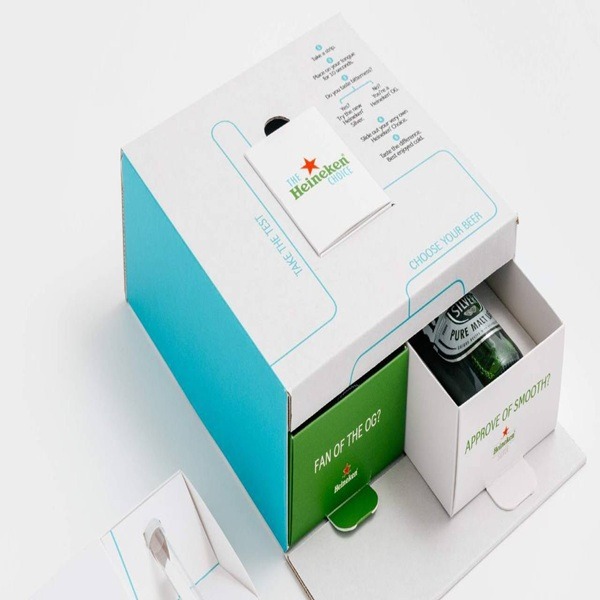
Design Ideas for Shipping Box

Adobe Illustrator

JPEG

Adobe Acrobat

Adobe Photoshop

FAQ

Shipping boxes come in various types, including corrugated boxes (durable and ideal for shipping fragile items), rigid boxes (sturdy and used for high-end products), folding cartons (lightweight and often used for retail packaging), and eco-friendly boxes (made from recycled or biodegradable materials).

Corrugated boxes with multiple layers of protection are the best choice for fragile items. Adding bubble wrap, foam inserts, or packing peanuts further reduces the risk of damage during transit.

The box should be slightly larger than the item to allow space for protective padding. Using the correct size minimizes shipping costs and ensures better protection. Standard sizes range from small (6”x6”x6”) to large (18”x18”x18”), with custom options available.


Most shipping boxes are made from corrugated cardboard, which consists of fluted paper sandwiched between two linerboards. Other materials include kraft paper, chipboard, and biodegradable or recycled materials for eco-friendly options.


To pack a box securely, choose a sturdy box, use cushioning materials (bubble wrap, foam, or paper fillers), place heavier items at the bottom, and seal it properly with strong packing tape using the "H-tape" method. Labeling fragile items can also help prevent rough handling.


Weight limits vary based on the type and strength of the box. Standard corrugated boxes typically support up to 50 lbs, while heavy-duty boxes can handle 100 lbs or more. Always check the box manufacturer’s weight capacity before shipping.

Shipping boxes can be purchased from online retailers, office supply stores, packaging wholesalers, and local shipping centers. Bulk purchases from wholesalers or manufacturers often provide better pricing.

Yes, shipping boxes can be reused if they remain in good condition. However, ensure they are not weakened, torn, or structurally compromised, as this may affect the protection of the items inside.


Eco-friendly options include boxes made from recycled materials, biodegradable mailers, compostable packaging, and reusable shipping containers. Many companies are shifting to sustainable packaging to reduce environmental impact.


Carriers like FedEx, UPS, and USPS calculate shipping costs based on dimensional weight (DIM weight) or actual weight, whichever is greater. Using appropriately sized boxes can help lower shipping costs.


Contact BJ Sign World for Shipping Box

Contact BJ Sign World for Shipping Box

+1-(707)-761-7464

24/7 Support for Your Business

Contact BJ Sign World for Shipping Box

Like this:

About Us

The greatest materials and customisations are what every business owner desires for their marketing. We have print experts and customer support representatives on hand to help you at every stage. You can reach them by phone or use Live Chat to have a real-time conversation with them. Under the expert supervision of Bijender Kumar (BJ), the founder of our company and an alumnus of Berkeley University of California and Harvard Business School, we strive to deliver unparalleled quality and innovation in every project.

Get In Touch

7285 Desert Forest Rd , Oak Hills , CA 92344

About Us

The greatest materials and customisations are what every business owner desires for their marketing. We have print experts and customer support representatives on hand to help you at every stage. You can reach them by phone or use Live Chat to have a real-time conversation with them. Under Keen Supervision of Bijender Sharma Founder of the company an alumni of Berkley University

Get In Touch

12455 Mesquite st , OAK HILLS CA 92344

About Us

The greatest materials and customisations are what every business owner desires for their marketing. We have print experts and customer support representatives on hand to help you at every stage. You can reach them by phone or use Live Chat to have a real-time conversation with them.Under the expert supervision of Bijender Kumar (BJ), the founder of our company and an alumnus of Berkeley University of California and Harvard Business School, we strive to deliver unparalleled quality and innovation in every project.

Get In Touch

12455 Mesquite st , OAK HILLS CA 92344

© All Right Reserved